Esthetics & Skincare
Why I Love My Ring Light: The Importance of Proper Lighting
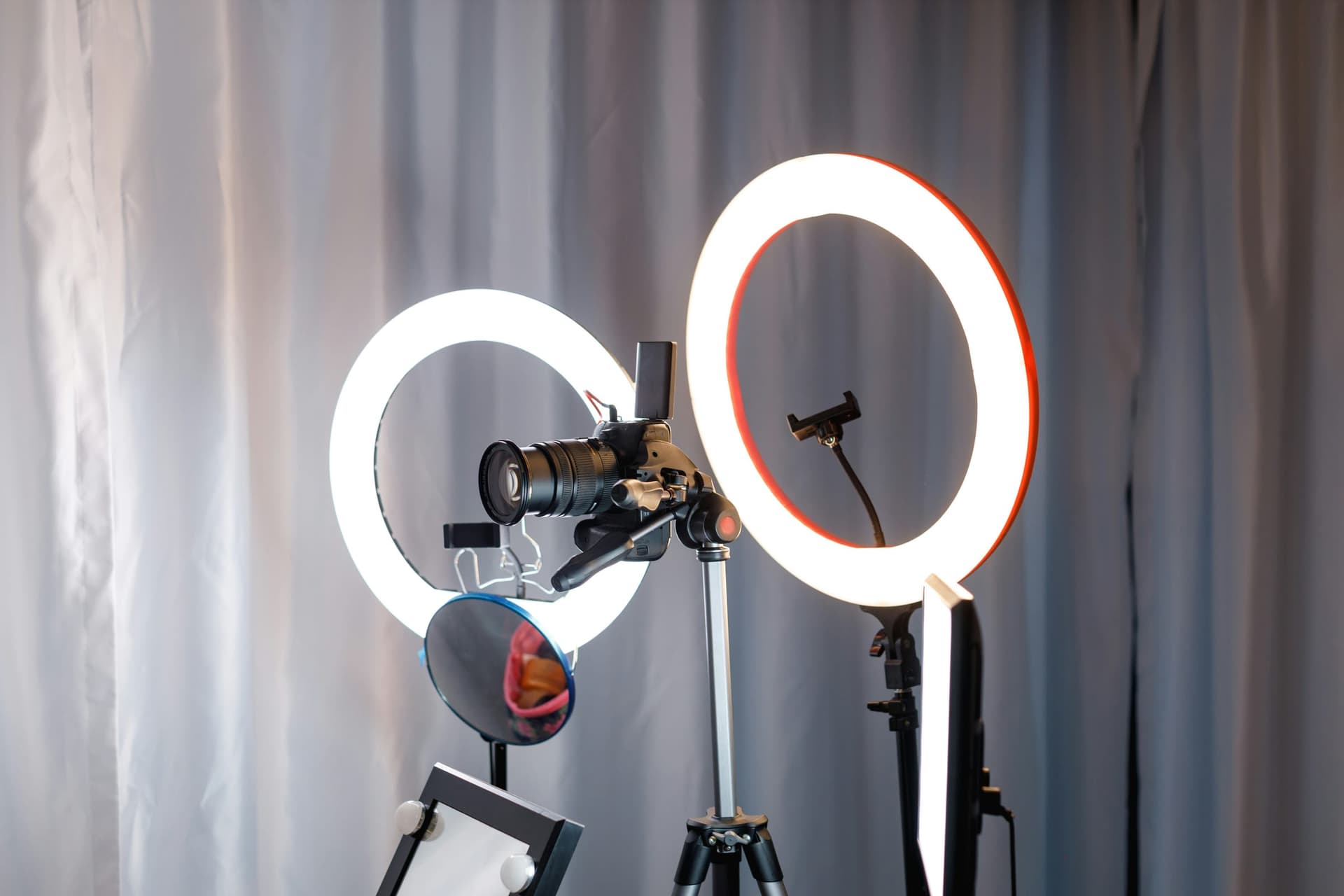
Think about the last time you tried to tweeze your brows in a dim bathroom. You miss hairs, overpluck one side, and by noon you're wondering why they look uneven. That's not just a home grooming problem. The exact same thing happens in a treatment room when the lighting isn't right, except the stakes are higher because someone else is doing the work.
Lighting is one of those details clients almost never think about. But it shapes every decision I make from the moment you sit down.
What Poor Lighting Actually Hides
Skin isn't flat, and brows aren't either. Fine hairs catch light at very specific angles. Subtle redness, texture shifts, and early irritation all look completely different depending on how a space is lit. Standard overhead room lighting casts shadows across the brow bone and orbital area, and those shadows make it genuinely hard to see what's happening at the follicle level.
The same problem shows up during skin assessments. If I'm evaluating your skin before a facial or watching for sensitivity mid-treatment, I need to see your actual skin tone, not a shadow-distorted version of it. Warm incandescent bulbs make everything look more even and golden than it is. Cool fluorescent lighting can make skin look blotchy when it isn't. Neither one gives me an accurate read.
Why a Ring Light Works for Esthetics
A ring light provides even, diffused light from a circular source positioned close to the face. Because the light comes from all sides rather than one direction, it eliminates the deep shadows that single-source lighting creates. The result is a clear, true-to-life view of skin tone, texture, and hair growth patterns.
That's the short answer: a ring light works for esthetics because it removes directional shadows, reveals fine detail, and stays consistent regardless of what time of day it is or what the weather's doing outside.
How It Changes Brow Work
Brow shaping is more technical than most people realize. I'm not just removing hair. I'm mapping a shape that fits your bone structure, balancing both sides, and making judgment calls about which fine hairs to keep and which ones to take out. Every part of that process depends on being able to see clearly.
With even ring light illumination, I can spot the difference between a vellus hair that belongs and a stray that's throwing off your arch. I can see where your natural growth pattern wants to go and follow it rather than fight it. For clients who've dealt with overplucked brows or inconsistent results somewhere else, this level of visibility is often exactly what was missing from their previous experiences.
If you're curious about what a solid brow consultation actually covers, this post on brow consultation questions is a good place to start.
Consistency Visit to Visit
Clients who've been coming in for a while often mention that their brows look reliably similar each time. That's not luck. Part of it is technique, but part of it is working under the same controlled conditions every single appointment.
Here in Thousand Oaks, natural light shifts constantly. Morning appointments look nothing like afternoon ones. An overcast day is a completely different visual environment than bright California sun coming through a window. If I relied on ambient light, my reference point would change every time you sat down. The ring light removes that variable. I see your skin and brows under the same conditions at every visit, which makes it easier to track changes, hold your shape, and catch anything that needs attention.
It's a Safety Tool, Not a Trend
Good lighting helps me avoid mistakes. That's the most direct way to put it.
If I can't see early signs of irritation, I might keep working on skin that needs a break. If a shadow hides a patch of fine hairs, I might overwork an area trying to compensate. Accurate lighting means I can make better calls in real time, whether that's adjusting pressure during waxing, switching to a gentler approach mid-facial, or simply knowing when to stop.
The standards I hold for my treatment room aren't about appearances. They're about doing the work correctly. If you want to read more about how I think about that, this post on why better standards matter goes into more detail.
What Clients Actually Notice
Most people don't walk in thinking about lighting. But a few have mentioned feeling more confident in their results, or that nothing seems to get missed. That's the whole point. When you look in the mirror after a brow shaping and both sides feel balanced, it's because I could see every detail while I was working.
The ring light isn't the only reason for that. Experience and a careful consultation both matter. But it's a tool I use every single day, and I wouldn't skip it.
FAQ
Does the ring light get used for every service?
Yes, for all brow shaping, waxing, tinting, and skin services. It's part of how I set up for every appointment, not something I pull out only for specific situations.
Will the light be uncomfortable during treatment?
No. It's bright but diffused, so there's no harsh glare. It's positioned to illuminate your face without shining directly into your eyes, and most clients don't notice it after the first minute.
Can lighting really affect the outcome of a brow service?
It can, and it does. Even, accurate lighting lets me see fine hairs, subtle asymmetry, and early skin reactions that are easy to miss under standard room lighting. The difference shows up in the results.
Is this about safety or just precision?
Both. Precision and safety aren't separate things in esthetics. Seeing your skin clearly helps me avoid over-treating, catch irritation early, and make better decisions throughout the service.
Will my brows look different in other lighting after the appointment?
The goal is always results that look natural across different environments. Working under accurate light during treatment actually helps with that, because I'm seeing your true skin tone and hair color rather than a version skewed by warm or cool ambient light.
Related services
Related posts
Skin Flooding: How to Layer Hydrating Toners for Deep, Long-Lasting Hydration
Skin flooding is a simple toner-layering technique that builds deep hydration before the rest of your routine. Here's how to do it and which toners actually work.

Can Bakuchiol Be Used Around the Eyes and Brows?
Bakuchiol is often called a gentler alternative to retinol, but that doesn’t mean it’s automatically safe everywhere. The skin around the eyes and brows is thinner, more reactive, and slower to recover if irritated. Estheticians recommend using extra caution in these areas, paying close attention to product formulas, healing timelines, and application technique. When used thoughtfully, bakuchiol can be a helpful addition to a skincare routine. When rushed or misused, it can easily cause puffiness, dryness, or unwanted irritation.

Why Better Standards Matter at Ritual Beauty Room
Clean tools, smart color choices, and real respect for skin are not optional at Ritual Beauty Room. Hygiene comes first, color theory guides every pigment decision, and anatomy shapes how each treatment is performed. By following regulated practices and adapting services to individual skin, the focus stays on results that heal well, fade predictably, and age gracefully instead of chasing trends that do not last.